
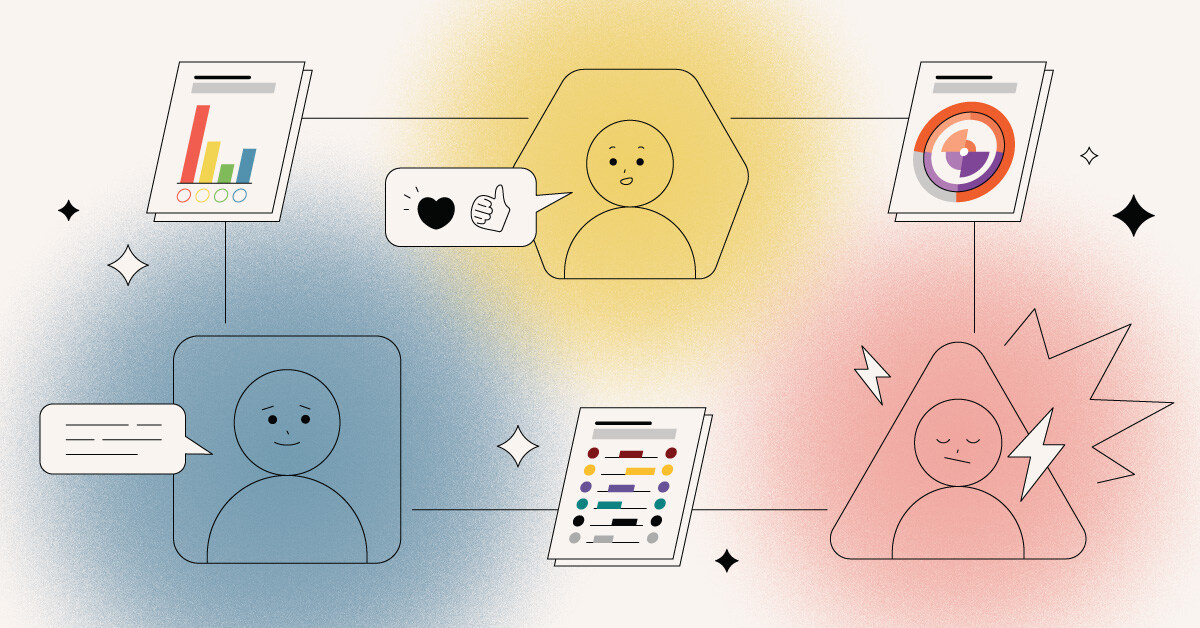
Workplace assessments can help organizations make better decisions about hiring, employee development, communication, leadership, engagement, and team performance.
When selected and implemented strategically, assessments provide actionable insights into how people behave, what motivates them, how they interact with others, and where they can grow.
Key Takeaways
- Workplace assessments provide data-driven insights into behavior, motivation, emotional intelligence, skills, and thinking.
- Assessments can improve hiring, retention, communication, productivity, and employee engagement.
- No single assessment can capture the full complexity of a person. A multi-science approach can provide deeper, more complete insights.
- Job benchmarking can help organizations identify the characteristics and competencies associated with success in a specific role.
- Assessments should be used as development tools—not as pass/fail tests.
- A trained coach or consultant should help employees understand and apply their results.
- Assessment results are most valuable when they lead to meaningful action, such as better communication, coaching, development, or decision-making.
- Assessments generally should not be retaken too frequently; TTI recommends waiting 12–18 months unless significant circumstances warrant a new assessment.
What Are Workplace Assessments?
A workplace assessment is a science-based tool designed to measure specific characteristics, skills, or psychological factors that can provide insight into how people work.
Organizations use assessments to better understand employees and candidates and to make more informed decisions about hiring, leadership development, coaching, team dynamics, communication, and employee development.
Assessments can also increase self-awareness. When employees understand their own behaviors, motivations, strengths, and areas for development, they are better equipped to adapt, communicate, and work effectively with others.
Importantly, assessments are not tests that employees can pass or fail. Instead, they provide information about the specific characteristics or capabilities being measured.
The key is choosing an assessment that measures what you actually want to understand.
What Types of Workplace Assessments Are There?
Different assessments measure different aspects of a person. Before selecting an assessment, consider what you need to understand and what business outcome you want to improve.
For example:
- Do you want to understand behavioral styles?
- Are you trying to identify what motivates employees?
- Do you want to improve emotional intelligence?
- Are you evaluating skills and competencies?
- Do you need insight into how someone processes information and makes decisions?
Here are five common types of workplace assessments.
1. Behavioral Assessments
Behavioral assessments measure how a person tends to behave and interact with others.
They can provide insight into communication styles, work preferences, and behavioral patterns.
TTI Success Insights offers DISC, a behavioral assessment that helps individuals, teams, and organizations understand observable behavioral tendencies.
2. Motivational Assessments
Motivational assessments measure why people do what they do.
Understanding motivation can help organizations identify what energizes employees, what they value, and what factors influence their decisions and behavior.
TTI’s 12 Driving Forces assessment measures the motivations behind behavior using six different motivator categories.
3. Emotional Intelligence Assessments
Emotional intelligence (EQ) is the ability to recognize, understand, and effectively manage emotions in yourself and others.
EQ assessments can provide insight into capabilities that influence communication, collaboration, leadership, relationships, and productivity.
TTI’s EQ assessment measures five dimensions of emotional intelligence.
4. Skills and Competency Assessments
Competency assessments measure the skills and capabilities people use to perform their work.
These assessments can help organizations identify strengths, development opportunities, and competencies that may be important for success in a particular role.
TTI’s Competencies (DNA) assessment measures research-based competencies that can be relevant across jobs and professional environments.
5. Capacity Assessments
Capacity assessments measure how people process information and perceive themselves, others, tasks, and systems.
TTI’s Acumen Capacity Index (ACI) assessment measures thinking and information-processing capacity. It’s based on axiology, a science focused on how people perceive and evaluate value.
Why Use Multiple Workplace Assessments?
Organizations don’t have to rely on a single assessment.
A multi-science approach combines different types of assessments to create a more complete picture of an individual, team, or organization.
For example, one assessment might explain how someone behaves, while another explains why they behave that way. Additional assessments can provide insight into emotional intelligence, competencies, or thinking capacity.
No single assessment can fully describe a person. Combining multiple sciences can provide deeper context and help organizations make better-informed decisions.
How Are Assessments Used in the Workplace?
Although hiring assessments are one of the most common applications, workplace assessments can support employees and organizations throughout the entire employee lifecycle.
Organizations can use assessments to:
Improve Employee Retention
Employees are more likely to thrive when they understand themselves, their roles, and the people they work with.
Assessments can help employees identify strengths, understand differences, and create targeted development plans. When organizations invest in employee development and create environments where people feel understood and valued, assessments can become a powerful component of a broader retention strategy.
Increase Job Accuracy
Job benchmarking can help organizations define the characteristics, behaviors, motivators, and competencies associated with success in a specific position.
Rather than relying solely on interviews or resumes, organizations can use assessment data to compare candidates against a job benchmark and evaluate potential fit.
Improve Workplace Communication
Assessments can give teams a shared language for understanding differences in communication and behavior.
For example, employees may discover that one colleague prefers direct, fast-paced communication while another prefers more time to process information.
Understanding these differences can help teams reduce misunderstandings, adapt communication styles, and collaborate more effectively.
Increase Employee Productivity
Better understanding can lead to better collaboration.
When employees understand their own working styles and those of their colleagues, they can make more intentional decisions about communication, delegation, teamwork, and conflict.
Assessment insights can help teams spend less time navigating avoidable misunderstandings and more time focusing on meaningful work.
Strengthen Employee Engagement
Employee development is an important part of creating an engaged workplace.
Assessments can help employees identify strengths, explore development opportunities, and create more personalized growth plans.
Instead of taking a one-size-fits-all approach to development, organizations can use assessment insights to make learning and coaching more relevant to individual employees.
Reduce Destructive Workplace Stress
Workplace stress can affect productivity, work quality, engagement, relationships, and overall employee well-being.
Assessment insights can help employees better understand their own behavioral and communication patterns, as well as recognize differences in how colleagues respond to pressure.
This understanding can support better conflict resolution, more effective communication, and healthier workplace interactions.
How Should Workplace Assessments Be Administered?
Simply giving someone an assessment isn’t enough.
The value of an assessment comes from how the results are interpreted and applied.
Organizations should work with a trained coach, consultant, or assessment practitioner who understands the science behind the assessment and can help participants translate their results into practical action.
At TTI Success Insights, this process includes a debrief, where a trained professional reviews the results with the participant, explains what they mean, and helps connect the insights to professional and personal development.
Assessments aren’t a magic solution or an easy answer. They are tools that help people make better decisions about how they work, communicate, develop, and interact with others.
The assessment provides the insight. What an organization does with that insight determines its impact.
How Often Should Employees Retake an Assessment?
Assessments should not typically be retaken frequently.
TTI recommends waiting approximately 12–18 months before retaking an assessment, unless there is a specific reason to do so.
Significant life or career changes may warrant reassessment. Examples can include:
- Starting a new job
- Major changes in responsibilities
- Marriage or divorce
- Becoming a parent
- Relocating
- Other significant personal or professional changes
After a major life event, allowing three to six months for circumstances to stabilize can provide a better opportunity to capture an individual’s current patterns.
The goal isn’t to constantly measure people. It’s to use assessment data at the right time and for the right purpose.
How to Get the Most From Workplace Assessments
Workplace assessments are most effective when they are part of a larger strategy.
To use assessments effectively:
1. Start With Your Goal
Determine what you want to measure and why.
Are you trying to improve hiring? Develop leaders? Strengthen teams? Improve communication? Increase employee engagement?
Your goal should determine the assessment you choose.
2. Choose the Right Assessment
Different assessments measure different things.
Make sure the assessment you select is appropriate for the outcome you’re trying to achieve and is supported by sound research.
3. Work With a Qualified Professional
Assessment results require context.
A trained coach or consultant can help participants understand their results and avoid misinterpreting or oversimplifying the data.
4. Turn Insights Into Action
Assessment results should lead to a conversation, development plan, or business decision.
Use the information to improve coaching, communication, hiring, leadership, teamwork, or employee development.
5. Consider a Multi-Science Approach
People are complex.
Combining behavioral, motivational, emotional intelligence, competency, and capacity insights can provide a more comprehensive understanding than relying on a single measurement.
Using Assessments in the Workplace: Frequently Asked Questions
What is the purpose of a workplace assessment?
The purpose of a workplace assessment is to provide objective, science-based insight into specific characteristics of individuals or teams. Organizations can use these insights to support hiring, development, coaching, communication, leadership, and team performance.
What can workplace assessments measure?
Depending on the assessment, workplace assessments can measure behavior, motivation, emotional intelligence, competencies, skills, or thinking and information-processing capacity.
Can you fail a workplace assessment?
No. Workplace assessments are generally not pass/fail tests. They are designed to measure specific characteristics and provide insight into an individual’s tendencies, capabilities, or preferences.
How are assessments used in hiring?
Organizations can use assessments during hiring to gain additional insight into candidates and compare their characteristics against a job benchmark. Assessment data can complement interviews, resumes, and other selection methods.
Are workplace assessments useful for employee development?
Yes. Employee development is one of the most valuable applications of assessments. Assessment insights can help employees understand their strengths, identify development opportunities, improve communication, and create more targeted development plans.
Should companies use more than one assessment?
A multi-science approach can provide a more complete picture of an individual or team. Different assessments measure different characteristics, so combining multiple sciences can reveal insights that a single assessment may not capture.
How often should employees take assessments?
TTI recommends that assessments generally be taken no more than every 12–18 months, unless significant personal or professional changes warrant reassessment.
Make Workplace Assessments Work for Your Organization
Workplace assessments are most valuable when they’re used strategically, not simply administered and filed away.
The right assessment can provide insight into how people behave, what motivates them, how they communicate, where they can grow, and what they need to succeed.
For organizations, the opportunity is to turn those insights into action across hiring, leadership development, coaching, communication, employee engagement, and team performance.
By choosing the right assessment, working with a qualified professional, and creating a clear plan for applying the results, organizations can turn assessment data into meaningful workplace outcomes.
Ready to start using assessments in your workplace? TTI Success Insights is here to help you get started.